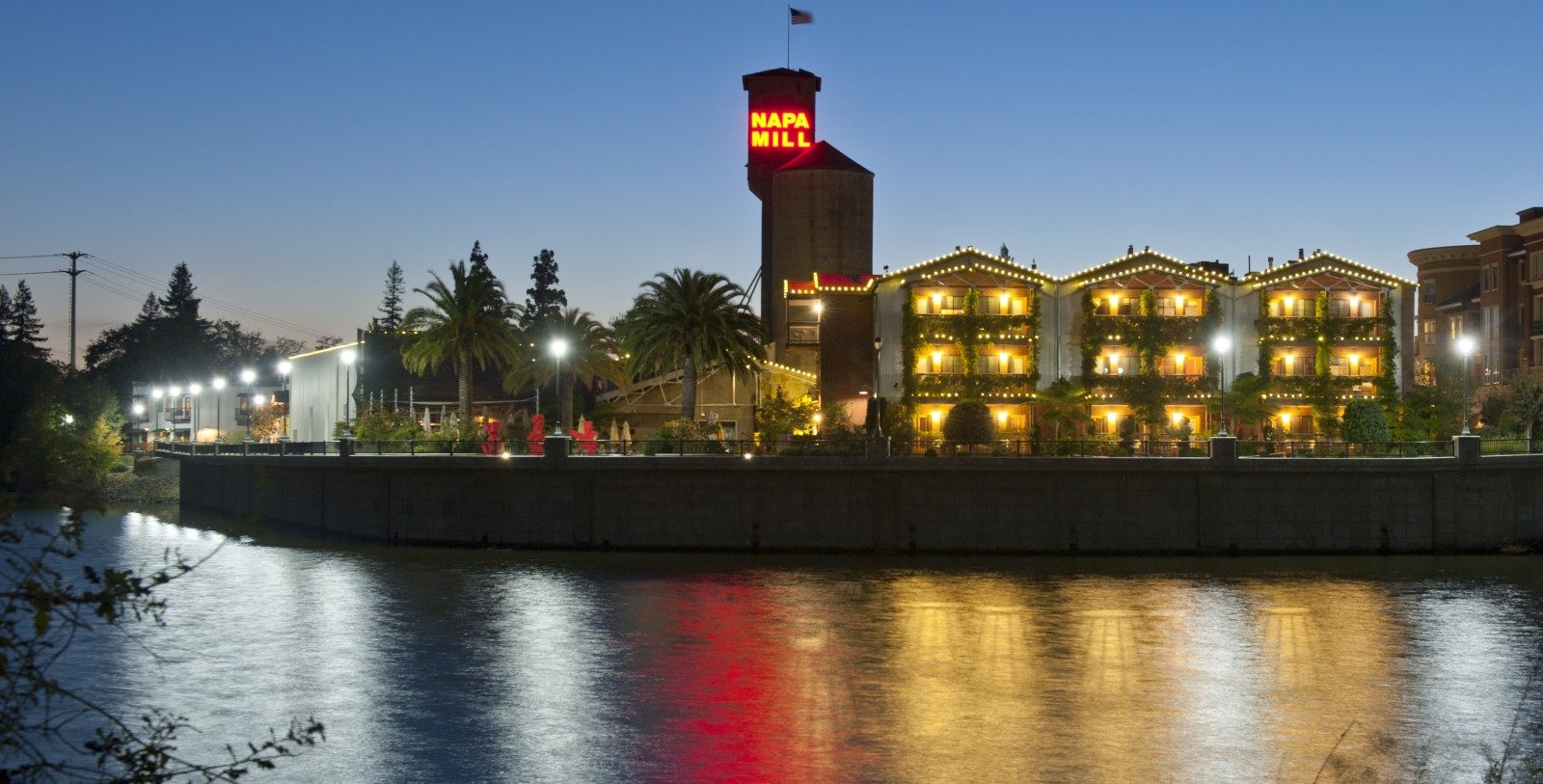
9 hr
Napa & Sonoma Wine Country Escape
- Expert local guide
- Small group
- Skip-the-line access
- Free cancellation
Napa Wine Tour — Curated Tastings & Private Vineyard Access
Winding valley roads, century-old estates, a glass in hand
Compare fares, pick the fit — all bookings are mobile-voucher and eligible for free cancellation where shown.
9 hr
7 hr
9 hr
| Experience | Duration | Rating | Skip-the-line | Guide | Small group | Free cancel. | Price | |
|---|---|---|---|---|---|---|---|---|
|
Guided Experience
Most popular
Napa & Sonoma Wine Country Escape
|
9 hr | ★ 4.5 | ✓ | ✓ | ✓ | ✓ | €135 | Book → |
|
Guided Experience
Napa Valley Small-Group Wine Tour with Picnic
|
7 hr | ★ 4.8 | ✓ | ✓ | ✓ | ✓ | $148 | Book → |
|
Guided Experience
Napa & Sonoma Wine Country Day Trip from San Francisco
|
9 hr | ★ 4.4 | ✓ | ✓ | ✓ | ✓ | €121 | Book → |
Napa offers a polished, world-class luxury environment, while Sonoma provides a relaxed, rustic escape; they complement each other, but most visitors seeking a high-end napa wine tour choose it for the prestige and concentrated variety.
|
Top pick Napa Valley |
Sonoma County | |
|---|---|---|
| Vibe/Atmosphere | Sophisticated and polished | Laid-back and rustic |
| Crowd Levels | High traffic intensity | Moderate footfall |
| Price Point | $50–$150+ per tasting | $30–$80 per tasting |
| Tasting Experience Style | Formal estate service | Casual intimate settings |
| Proximity to San Francisco | Approximately 60 miles | Approximately 45-50 miles |
| Overall Regional Character | Global luxury wine destination | Diverse agricultural landscape |
| See tickets & prices |
Verdict: Select your napa wine tour tour for an iconic, upscale experience, or opt for Sonoma if your preference leans toward a quiet, expansive countryside atmosphere when securing your napa wine tour tickets.
Hand-picked experiences loved by thousands of travelers
6 hours
Free Cancellation
Journey across the Golden Gate Bridge to sample premium wines at two renowned Napa estates
6 hours
Free Cancellation
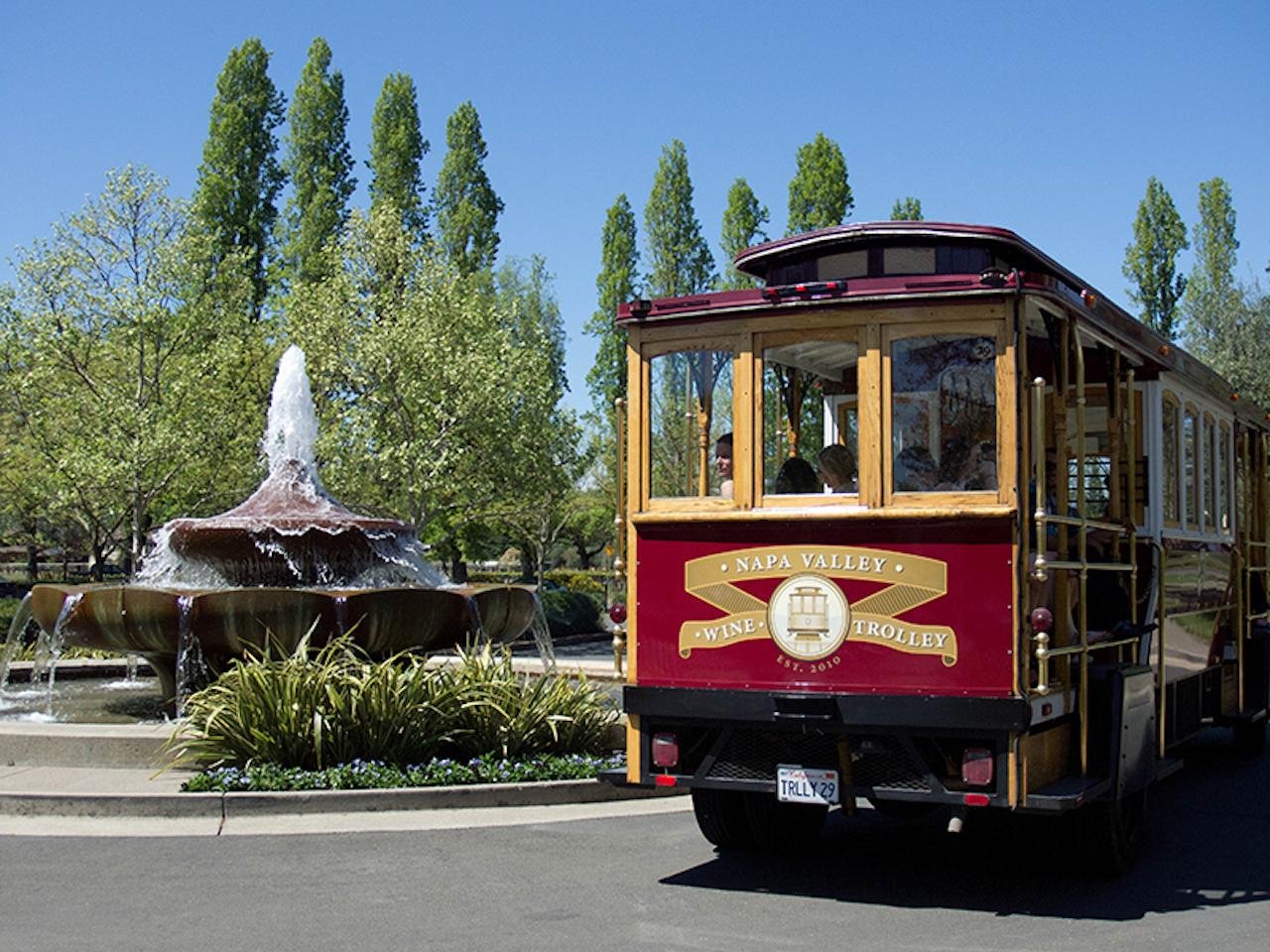
Explore premier wineries aboard a charming open-air cable car through California's iconic wine country
9 hours
Free Cancellation
Discover California's premier wine regions on this full-day guided excursion through Napa and Sonoma valleys
9 hours
Free Cancellation
Nine-hour guided journey through California's finest wine regions with tastings at two estates
5 hours
Free Cancellation
Cross the Golden Gate Bridge and discover Napa and Sonoma wineries on this afternoon tour with tastings
4-6 hours
Free Cancellation
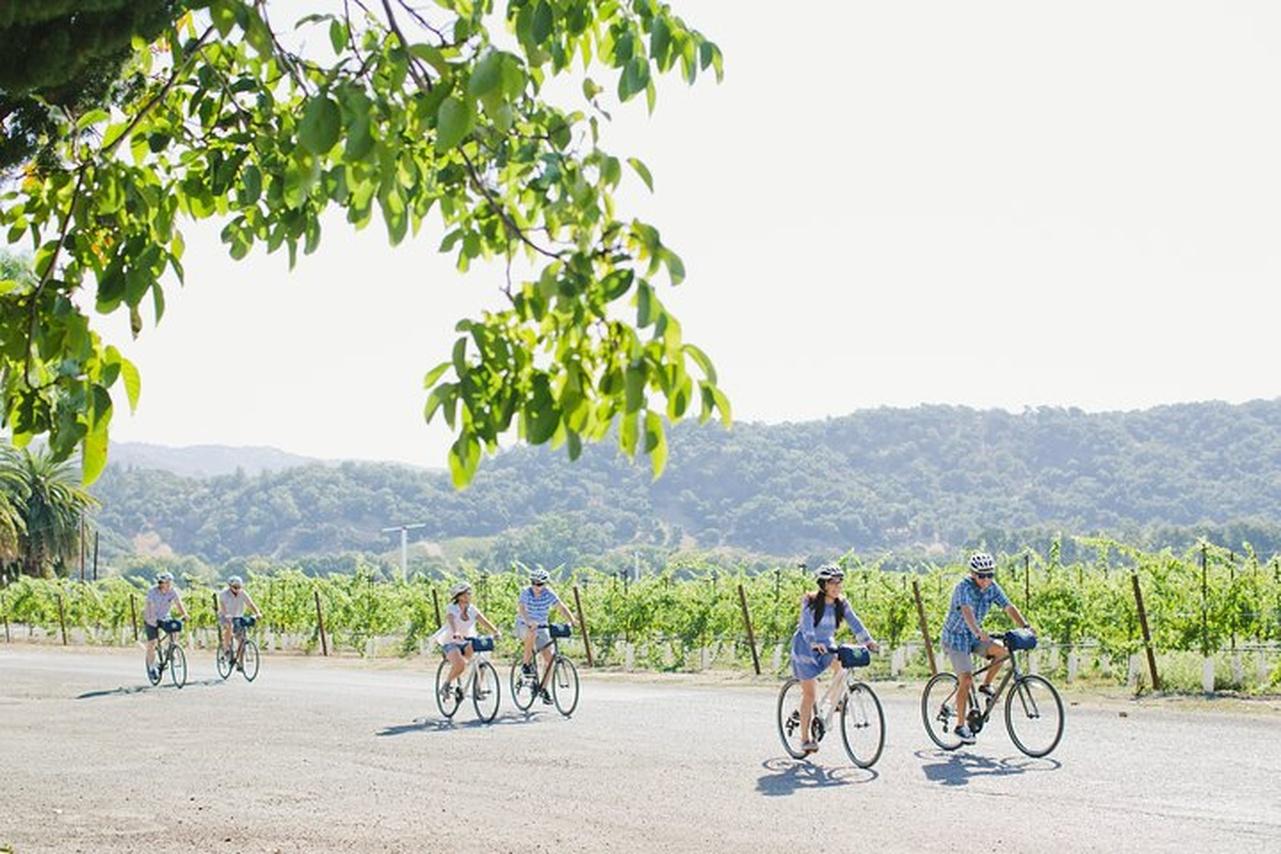
Pedal through stunning vineyards on an electric bike with expert guidance and winery visits
6 hours
Free Cancellation
Six-hour chauffeured journey through Northern California's premier wine country with luxury transport
6 hours
Free Cancellation
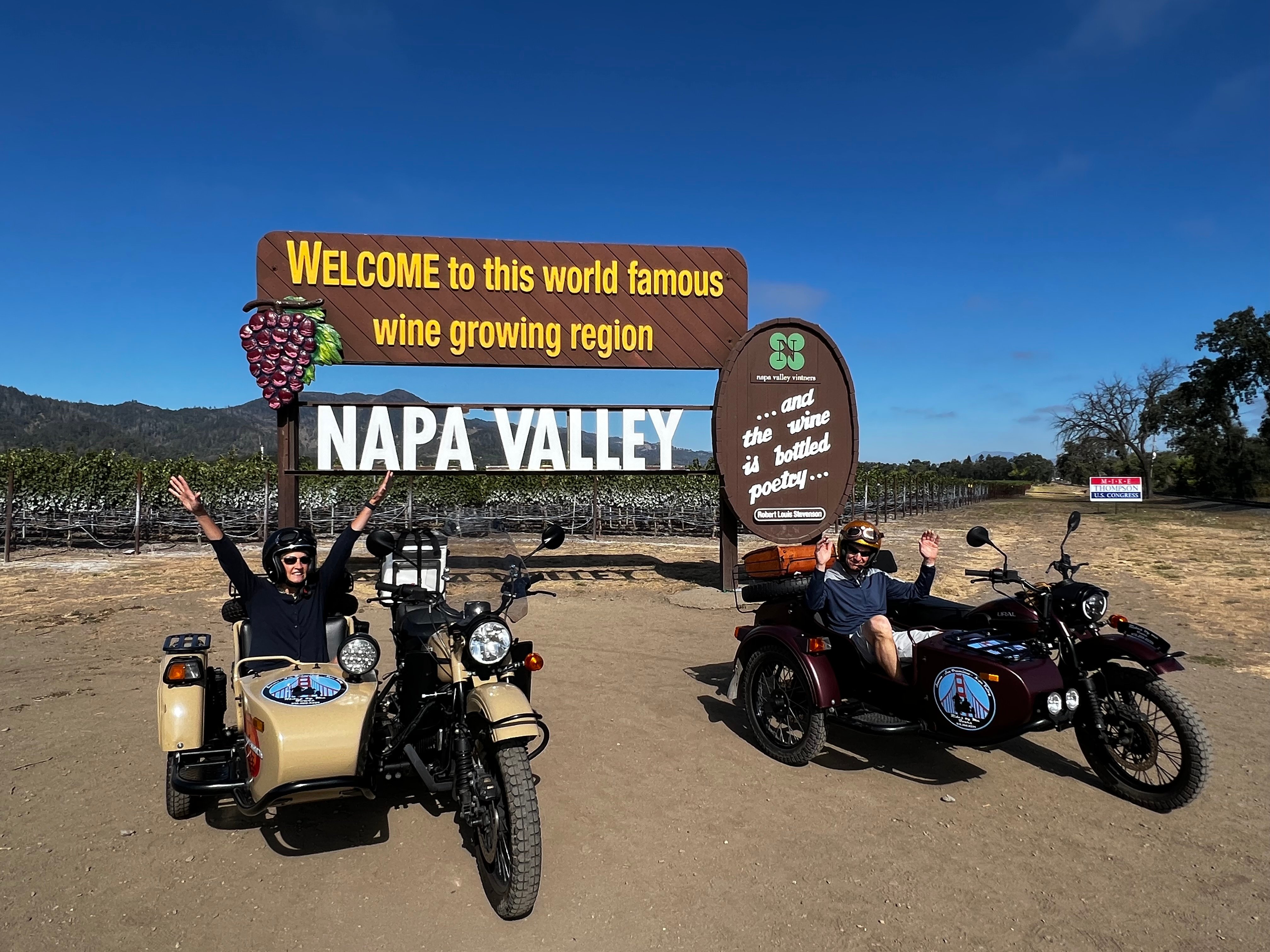
Cruise Wine Country in a vintage sidecar, visiting three wineries with a gourmet French picnic included
Check-in and orientation for your tour
Guided tour of grape cultivation
Wine flight with expert narration
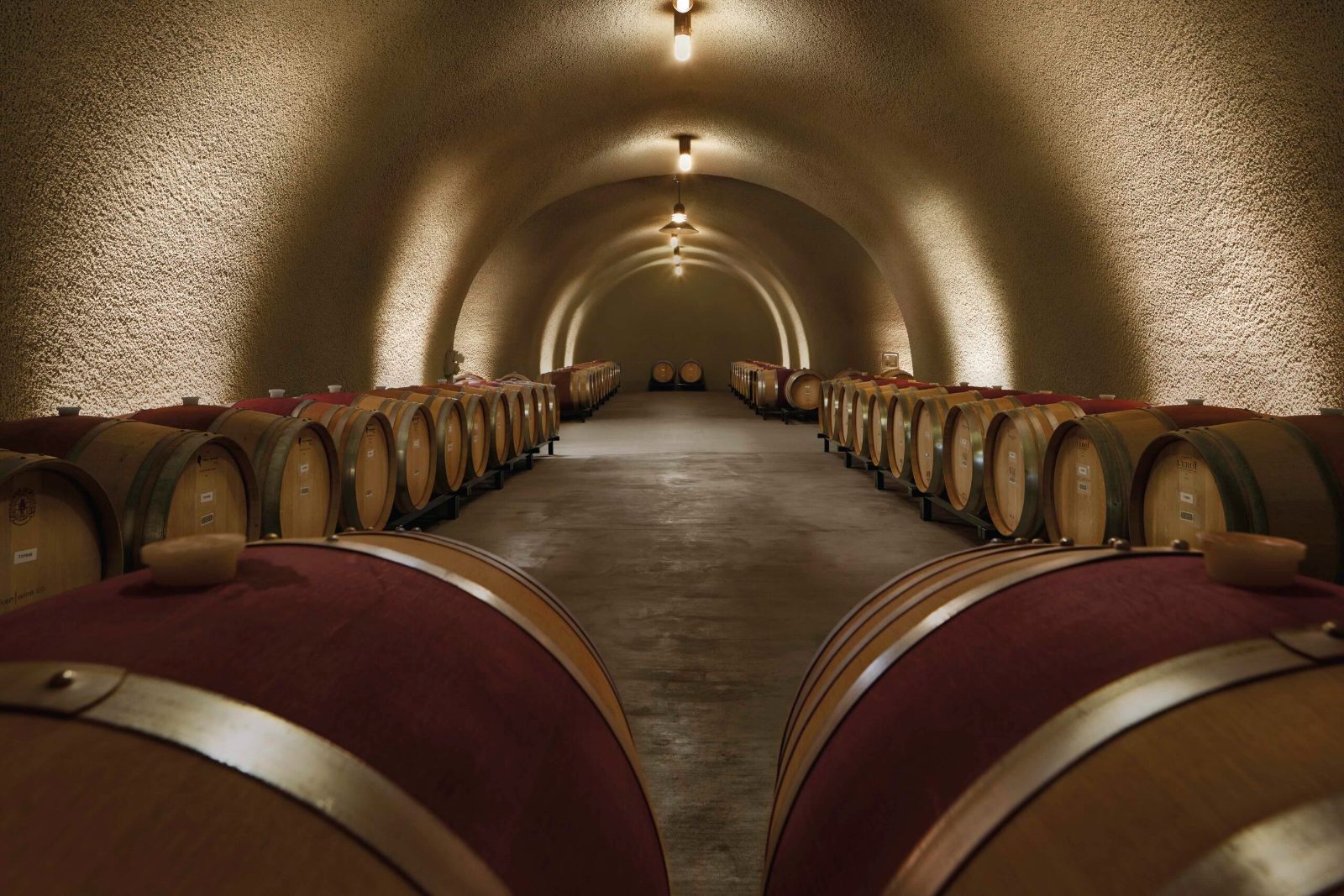
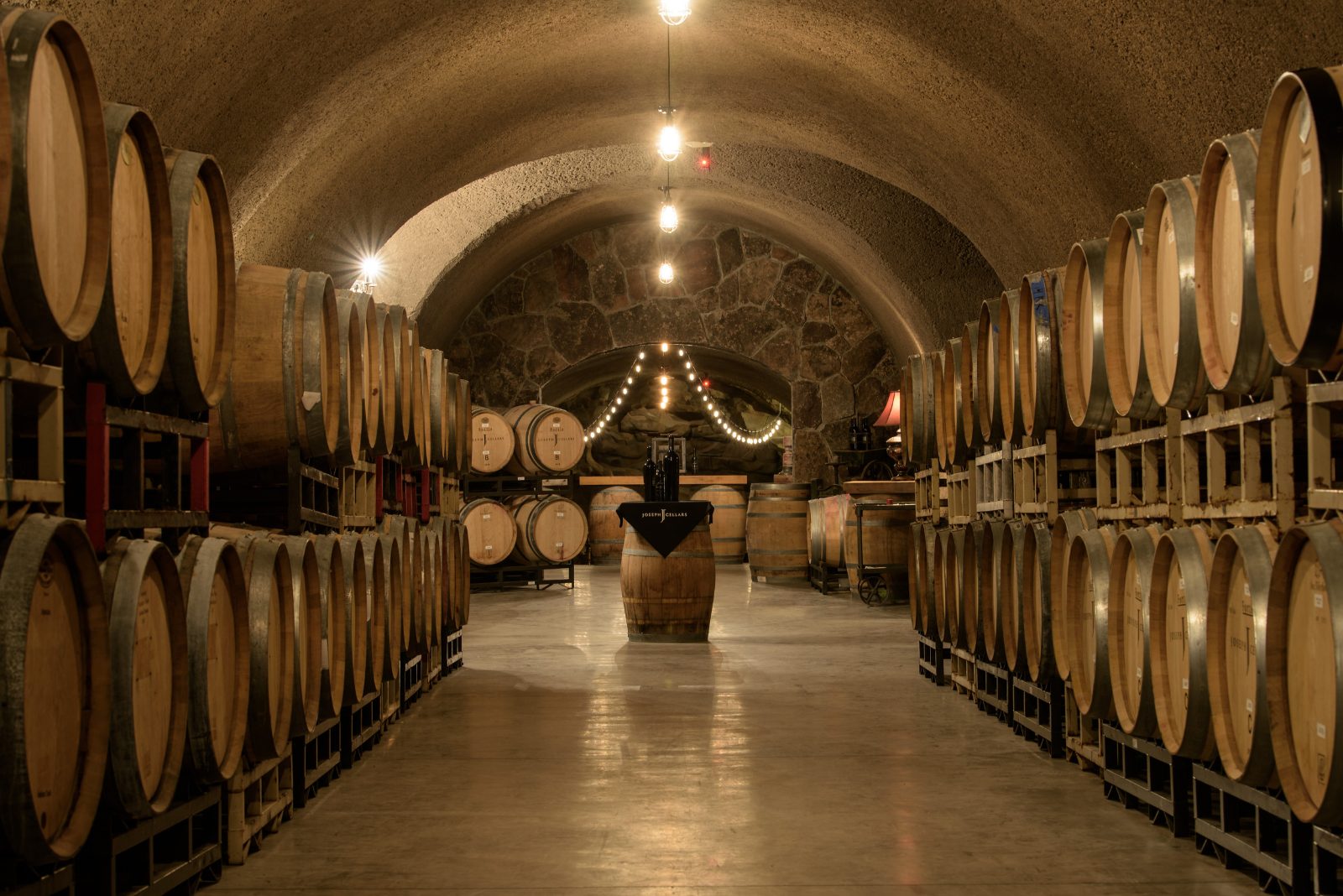
Explore oak barrel storage facilities
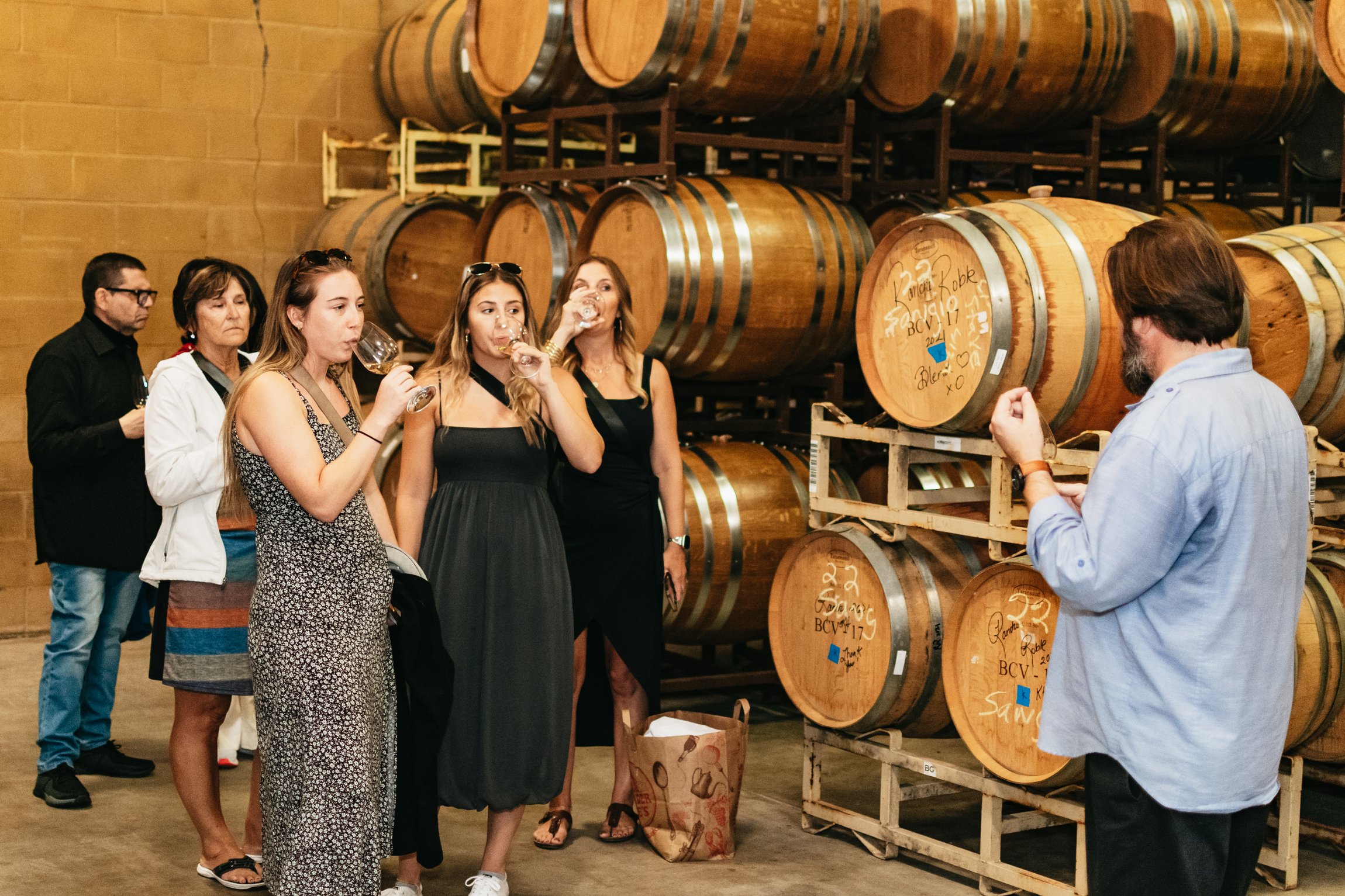
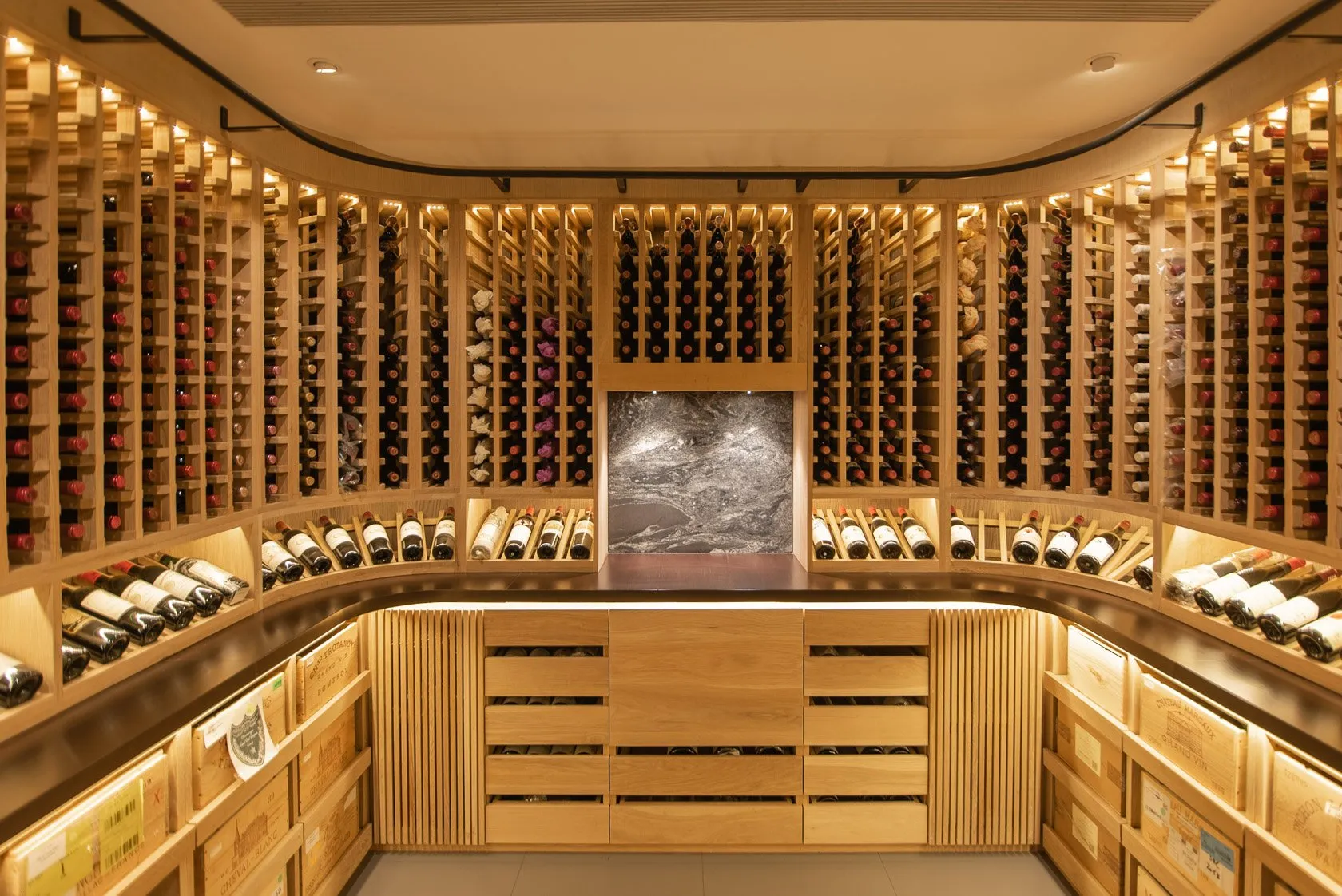
View traditional aging techniques with thousands of barrels on site. The cooling subterranean temperatures are vital for wine quality.
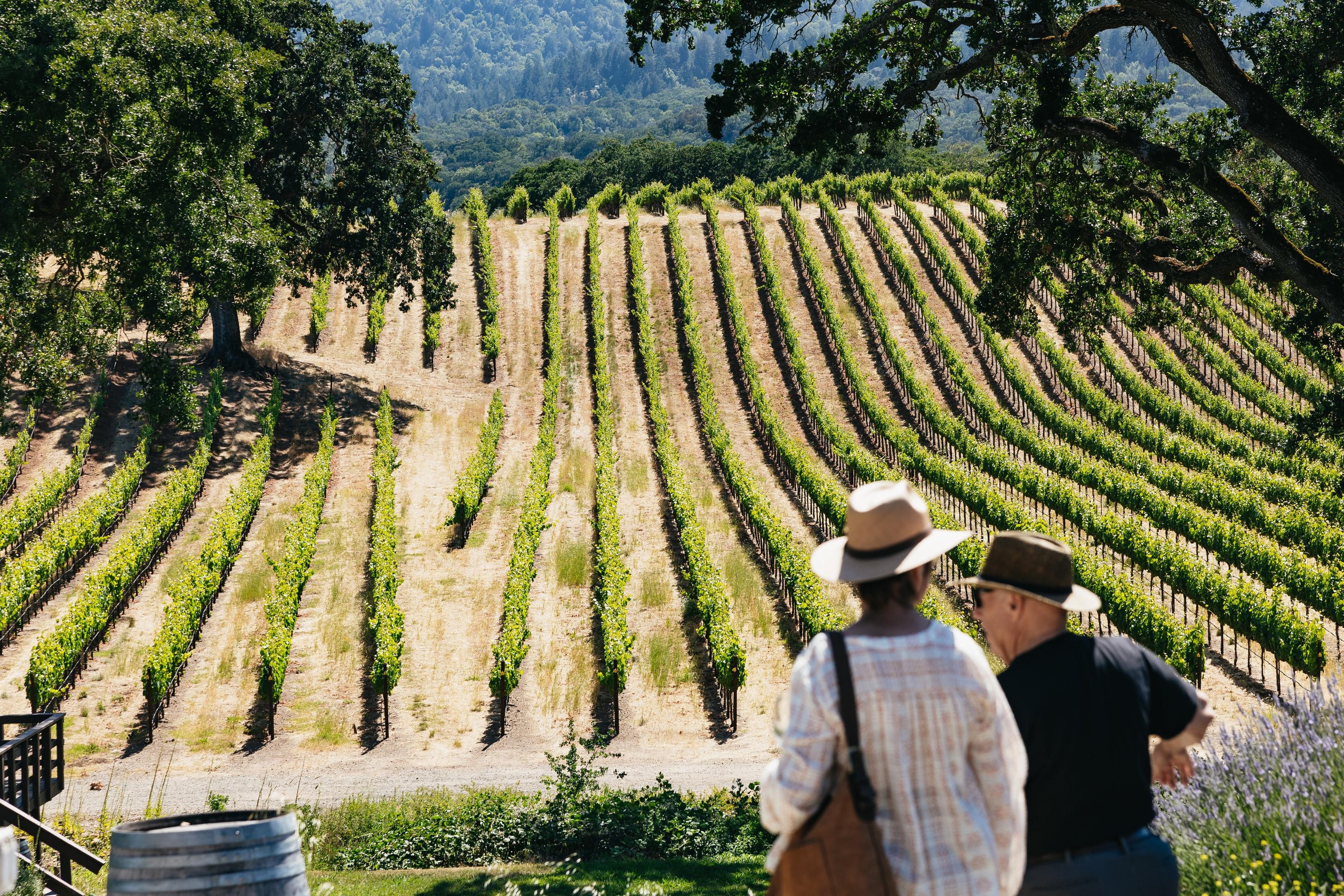
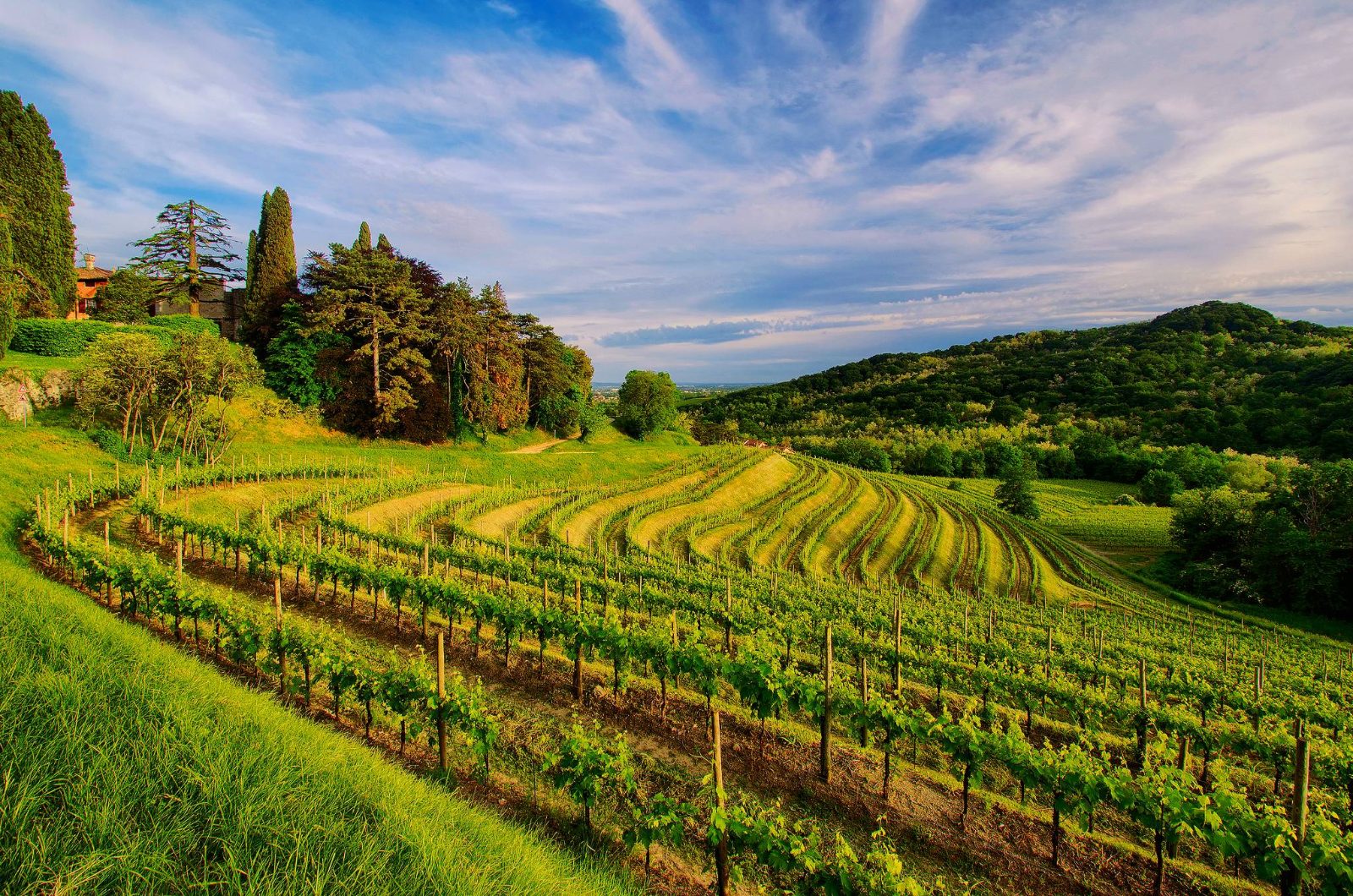
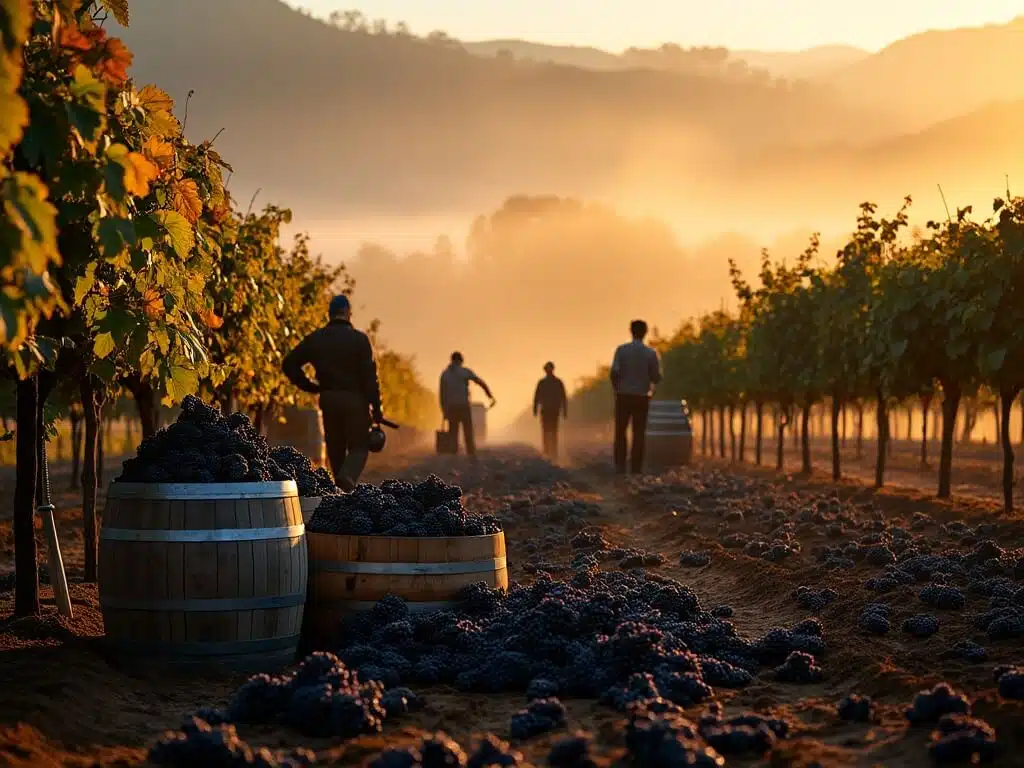
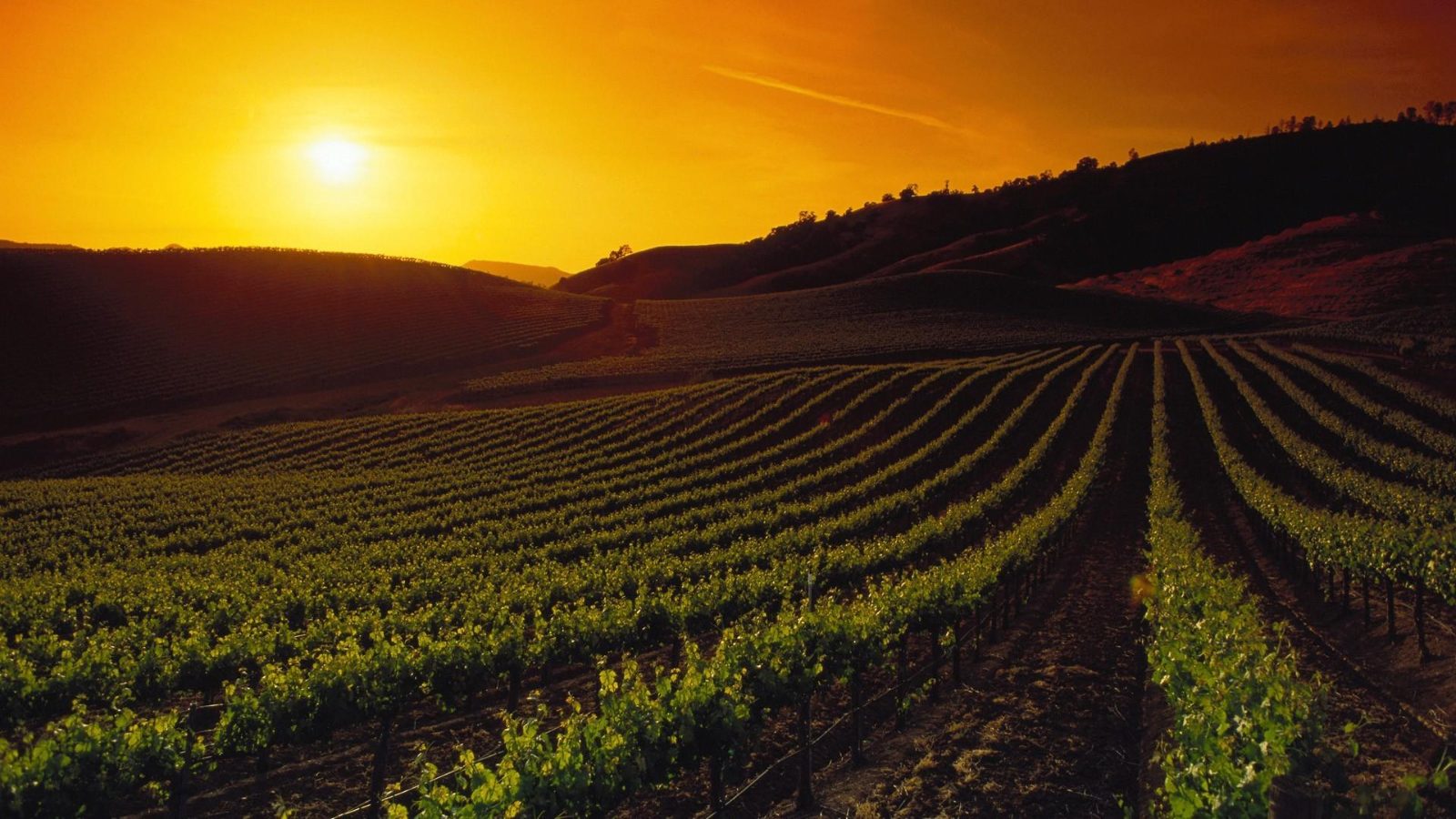
Walk through the grapevines to learn about terroir and harvest cycles. This provides context for the napa wine tour tasting experience.
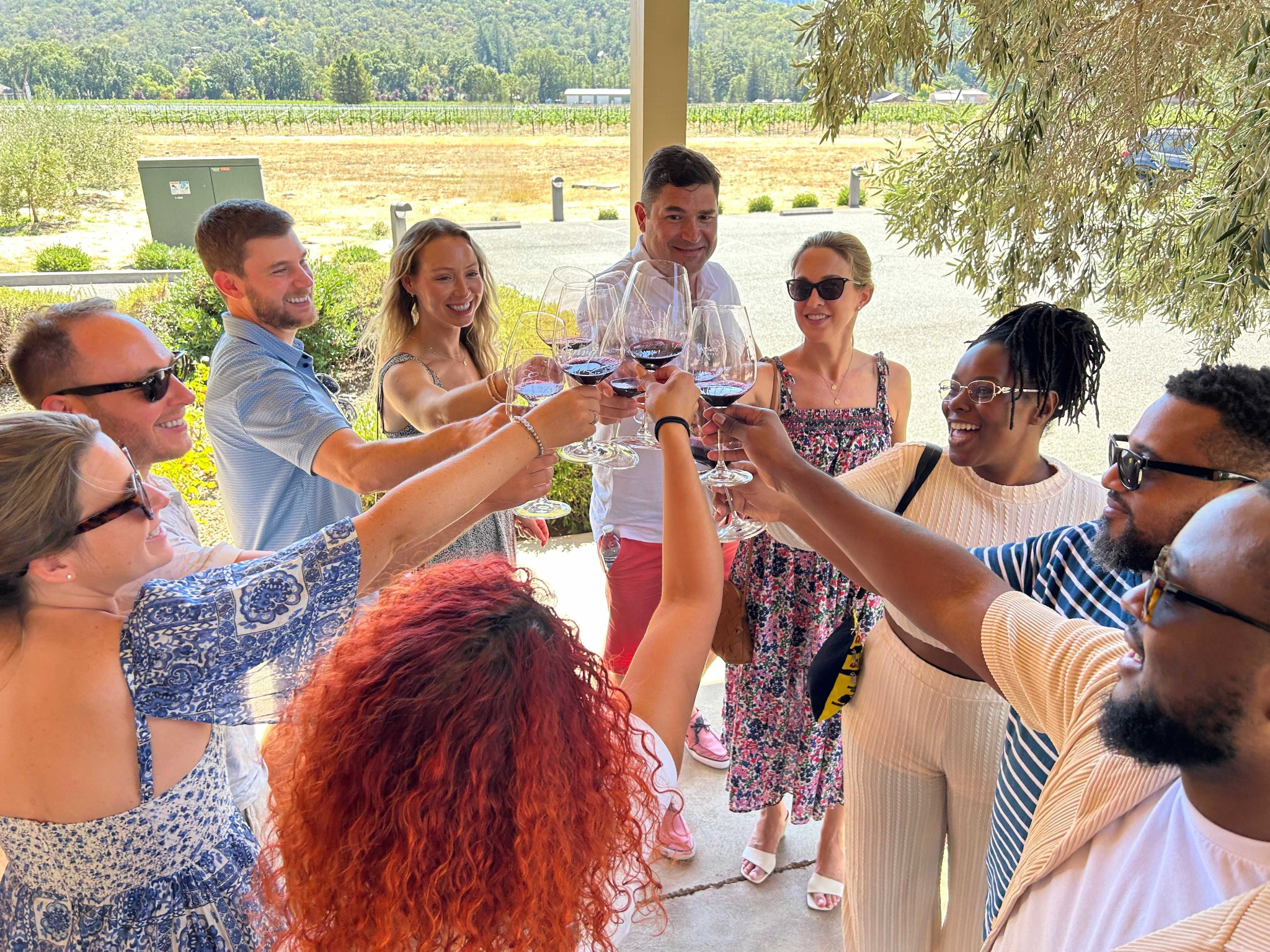
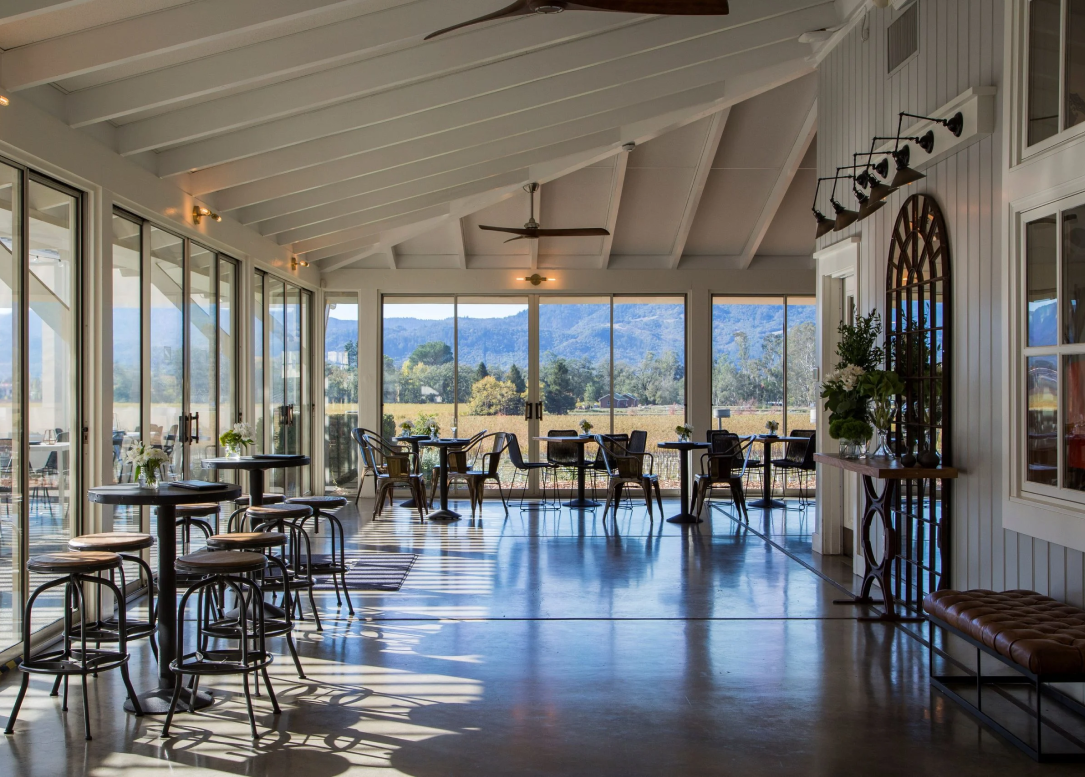
Sample regional vintages in a sophisticated atmosphere. Experts guide you through the specific notes of each glass.
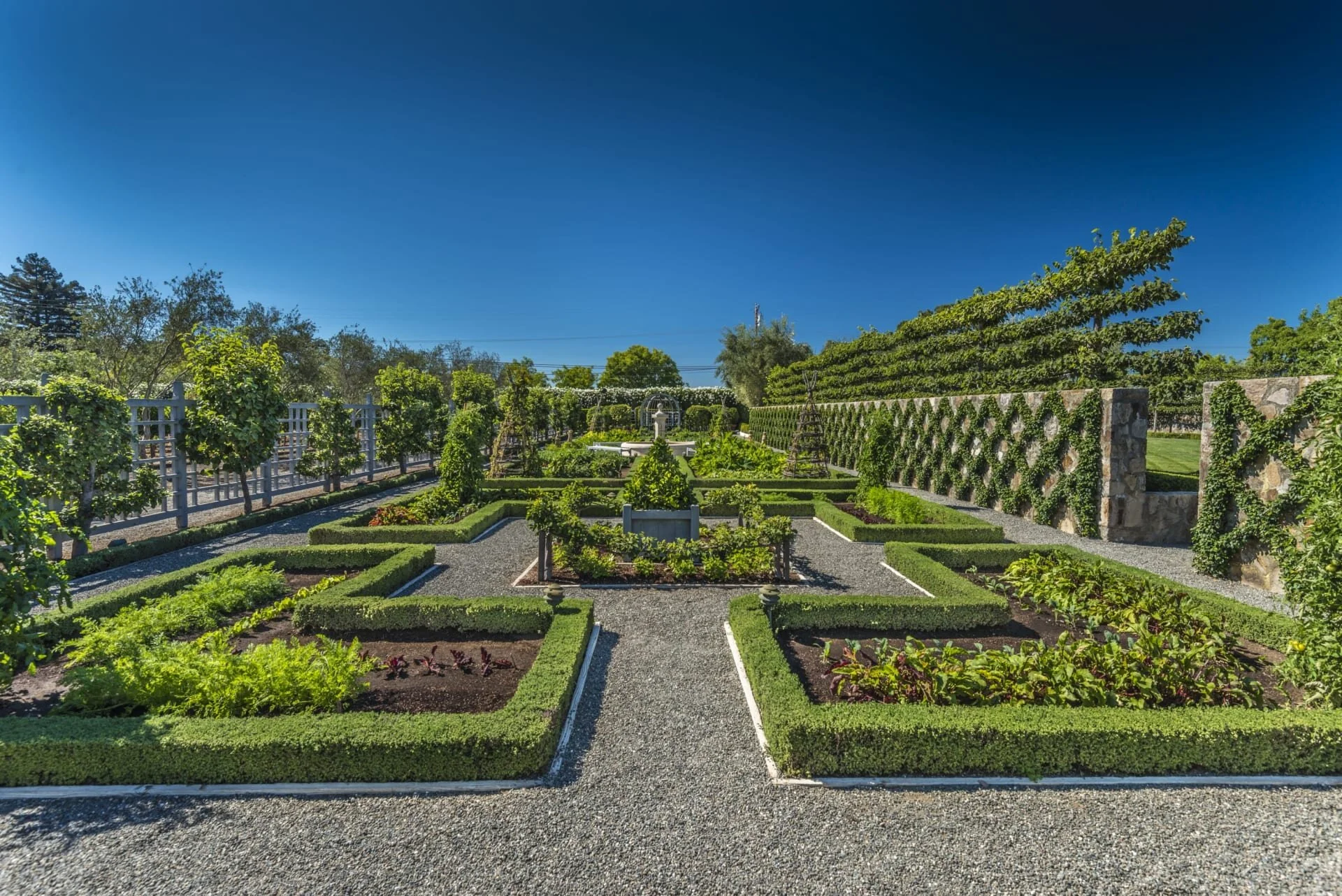
Explore native plants and herbs used in sustainable viticulture practices. These gardens show the ecological balance of the valley.
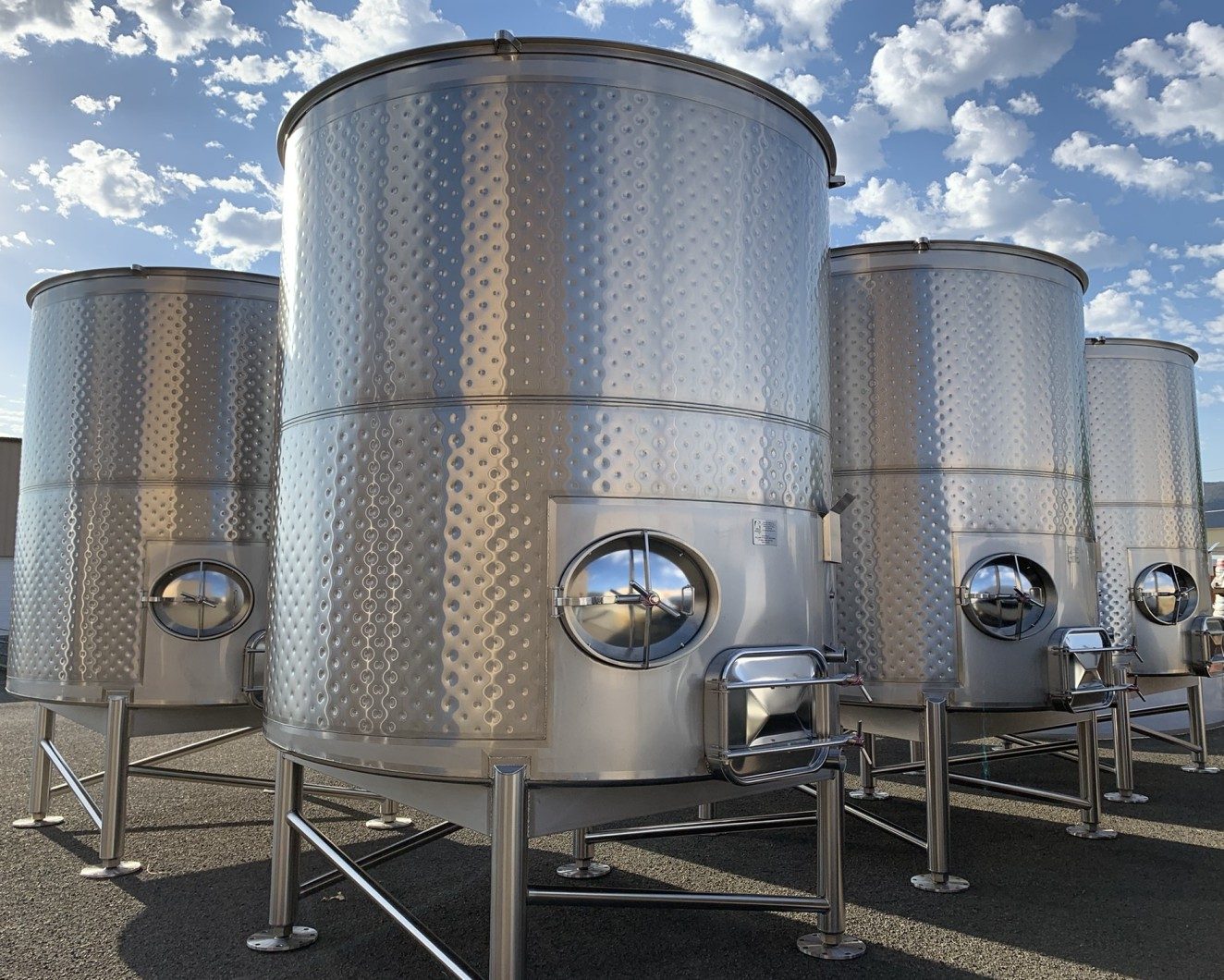
Observe modern stainless steel tanks used in the wine-making process. This facility highlights the industrial side of a napa wine tour.
You depart San Francisco before nine, crossing the Golden Gate as fog burns off the bay. The highway climbs through Marin's golden hills, then descends into the valley at Napa city.
Your first stop is a historic stone cellar in Yountville, where a guide walks you through barrel rows and explains malolactic fermentation before pouring four single-vineyard Cabernets at a communal table. You taste minerality, tannin structure, the way oak imparts vanilla without masking fruit.
Mid-morning you drive north to Rutherford. The second estate offers terrace seating overlooking vine rows trained on vertical trellises. You compare a cool-climate Carneros Chardonnay with a warmer Calistoga expression, noting acidity and weight differences. Lunch is wood-fired pizza at a winery courtyard, paired with a crisp Sauvignon Blanc.
Afternoon brings a private tour of a hillside cave system in Howell Mountain, where tunnels maintain fifty-eight degrees year-round. The winemaker opens a library bottle from 2015, letting you taste how Napa reds develop tertiary notes over a decade. You finish at a fifth tasting room in St. Helena, sampling dessert wine made from botrytis-affected grapes before your driver returns you to the city by early evening.
All the details about your upcoming adventure in one place
A napa wine tour takes you through California's premier viticulture region, visiting estate wineries and tasting rooms across appellations like Oakville, Rutherford, and Stags Leap District. Most Napa Valley wine tours include guided vineyard walks, barrel tastings, and cellar visits at family-owned estates and renowned labels. Whether you book napa wine tour tickets for small-group experiences or private excursions, expect curated tastings of Cabernet Sauvignon, Chardonnay, and other varietals that define the region.
The Napa Valley appellation produces fewer than four percent of California's wine grapes yet commands half the state's premium wine revenue. That disproportion traces to soil, microclimate, and a century of methodical viticulture refinement.
The valley floor stretches thirty miles from Napa city north to Calistoga, bracketed by the Mayacamas range to the west and the Vaca mountains to the east. Elevation and exposure create over a dozen sub-appellations, each with distinct terroir. Rutherford's gravelly loam yields structured Cabernet Sauvignon. Carneros' cool southern exposure favors Chardonnay and Pinot Noir. Howell Mountain's volcanic ridges produce concentrated reds that age for decades.
Modern Napa wine tours began in the 1960s when Robert Mondavi opened his Mission-style winery to the public, a radical departure from the closed-door wholesale model that dominated American winemaking. The 1976 Judgment of Paris validated the region's ambition when Stag's Leap Wine Cellars' 1973 Cabernet outscored Bordeaux first growths in blind tasting. That single event redirected global wine discourse and transformed the valley into a pilgrimage site. Today over four hundred wineries operate across fifty thousand planted acres, from industrial crushers to boutique estates producing fewer than five hundred cases annually.
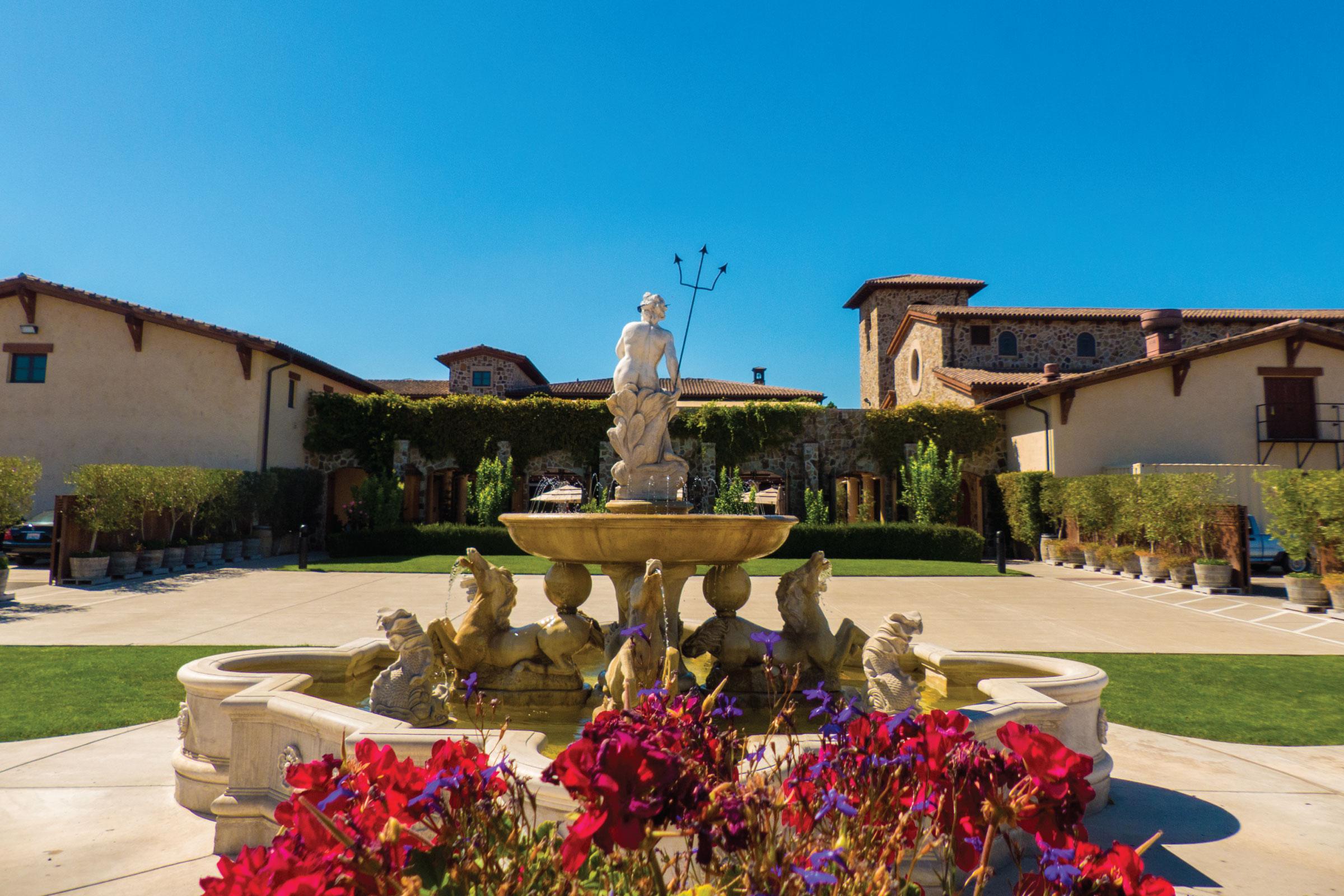
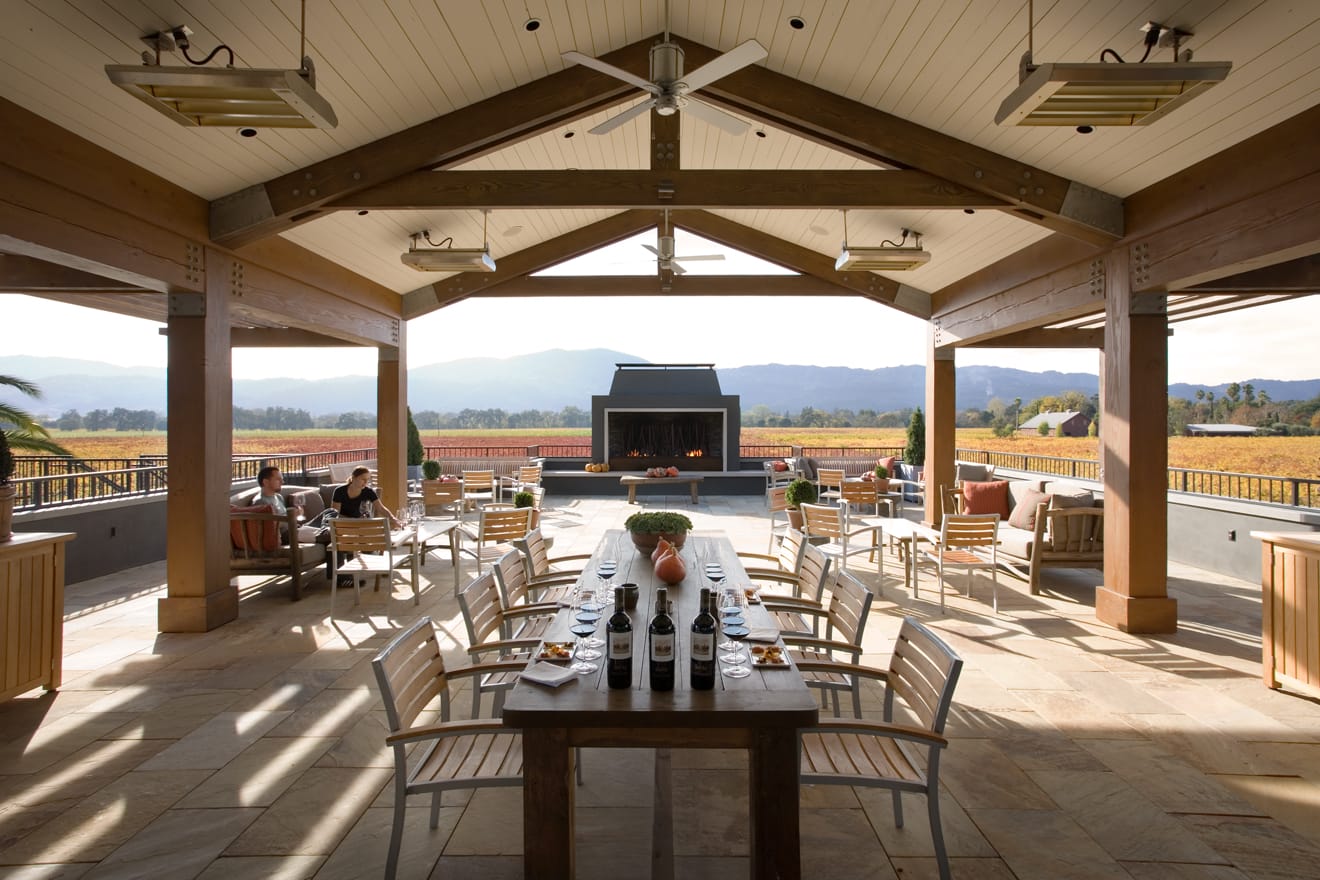
Architecture frames the experience. Herzog & de Meuron's stone-clad Dominus Estate winery in Yountville uses gabion walls filled with local basalt. The Hess Collection occupies a renovated nineteenth-century stone brewery on Mount Veeder, its gravity-flow design minimizing pump intervention. Opus One's semicircular underground chai in Oakville maintains constant humidity without mechanical cooling. These structures assert that winemaking is as much about space and light as fermentation science.
Napa wine tour packages now range from group shuttle circuits linking four to five tasting rooms in a single afternoon to private chauffeur-driven itineraries with winemaker-hosted reserve pours. The Napa Valley Wine Train offers a three-hour rolling tasting paired with multi-course service aboard restored 1915 Pullman cars. Transportation logistics matter: California law prohibits open containers in vehicles, and tasting-room hosts pour generously. Most visitors book drivers or join guided Napa wine tours from San Francisco that include round-trip transit and pre-arranged appointments.
The 1976 Judgment of Paris validated the region's ambition when Stag's Leap outscored Bordeaux first growths in blind tasting.
Casual and comfortable attire is appropriate for a napa wine tour. Flat, comfortable shoes are recommended as winery grounds often feature gravel paths or uneven terrain.
Large bags are generally discouraged and may not be permitted in production areas. Keep personal items secure while participating in your selected napa wine tour.
Photography is usually permitted in outdoor spaces and tasting rooms during a napa wine tour. Always ask staff before photographing private production equipment or proprietary cellar processes.
Some locations allow children to be present during a napa wine tour, but wine tasting is strictly for guests 21 and older. Check individual winery policies regarding youth before booking.
Many locations on a napa wine tour are ADA compliant, though historic buildings may have limited access. Contact specific venues in advance to ensure your Napa Valley wine experience meets your mobility requirements.
Outside food is typically not allowed at most sites during a napa wine tour. Only consumption of beverages provided by the venue is permitted within tasting areas.
Opening Hours
10:00–17:00
Address
Napa Valley, California, USA
Entry Fee
0 USD (General Napa Valley access is free; individual wineries charge for tastings.)
Arrival
10:00–12:00
Storage
Not available at most winery locations
Region
Napa Valley
Car
Rental or private vehicle is the most flexible way to navigate the region. Parking is available at most wineries but can fill up early.
Taxi
Ride-sharing services are available throughout the valley for a safe napa wine tour. Pre-scheduling is recommended during busy weekends.
Cancellation policies for a napa wine tour depend on the specific winery or operator. Most require notification 48 hours in advance for a full refund.
Recommended time
Full day
A comprehensive napa wine tour requires a full day to properly experience the vineyards and local viticulture without rushing between appointments. Arriving during the best arrival window of 10:00–12:00 allows guests to engage with staff before peak afternoon traffic creates congestion on regional roads. While many visitors seek out napa wine tour tickets for popular estates, pacing your schedule with breaks between tastings helps manage the flow of your day.
Crowd levels through the day
Weather · crowds · average price — dots go green to amber to red as each metric rises.
Bud break occurs and hills are vibrant green. Temperatures are mild, making it ideal for a napa wine tour.
Warm, sunny days are perfect for outdoor tastings. Early arrival is vital to avoid peak crowds.
Harvest season offers high energy and vineyard activity. September is a peak month for visitors.
Crowds are thinner and tasting fees are sometimes lower. Many wineries offer cozy indoor fireplace settings.
Reservations are essential for most venues during peak season. Secure your spot well in advance of your napa wine tour date.
Three to four winery visits per day is the standard pace. This prevents fatigue and ensures you enjoy every napa wine tour stop.
Drink water between every tasting. This simple step keeps you alert for your next napa wine tour location.
Many wineries provide shipping services. Inquire about this if you prefer not to carry bottles during your napa wine tour.
The official site provides up-to-date information on seasonal events. Visit it before finalizing your napa wine tour itinerary.
Napa Valley's transformation into a premier wine destination began in the 1830s when George Yount planted the region's first grapevines near what is now Yountville. By 1861, Charles Krug established the valley's first commercial winery, setting a precedent for European immigrants who recognized the area's Mediterranean climate and fertile volcanic soils. The late 19th century saw rapid expansion, with over 140 wineries operating by 1889, producing wines that competed at international exhibitions. This golden era ended abruptly in 1920 when Prohibition forced most operations to close or pivot to sacramental wine production, leaving only a handful of estates like Beringer and Beaulieu Vineyard to preserve winemaking traditions through the dry years. The modern napa wine tour era began in earnest after Prohibition's repeal in 1933, though recovery was slow. Robert Mondavi's 1966 departure from his family's Charles Krug operation to found his own winery in Oakville marked a turning point, introducing innovative techniques and aggressive marketing that elevated Napa's profile nationally. The 1976 Judgment of Paris proved transformative when Stag's Leap Wine Cellars and Chateau Montelena defeated prestigious French estates in a blind tasting, shattering European dominance and putting Napa Valley on the global map. This single event catalyzed an investment boom that reshaped the valley into a premium wine tourism destination. By the 1980s, visitors could explore dozens of tasting rooms along Highway 29 and the Silverado Trail, a far cry from the handful of wineries that survived Prohibition. The Napa Valley Wine Train launched in 1989, offering a nostalgic touring experience through vineyards aboard restored Pullman cars. Today, over 400 wineries welcome guests for napa wine tour experiences ranging from casual tastings to private cellar tours, a testament to the region's century-long evolution from agricultural frontier to cultural landmark.
George Yount plants Napa Valley's first grapevines, establishing viticulture in the region.
Charles Krug founds the valley's first commercial winery, pioneering modern winemaking practices.
Over 140 wineries operate across Napa, competing in international wine exhibitions.
Prohibition forces most wineries to close, with only a few surviving through sacramental wine sales.
Robert Mondavi opens his Oakville winery, introducing innovative techniques and marketing strategies.
Napa wines defeat French estates at the Judgment of Paris, establishing global credibility.
The Napa Valley Wine Train begins service, adding a heritage tourism dimension to wine tours.
Over 400 wineries offer diverse tasting experiences, solidifying Napa's reputation as a premier destination.
Planning a napa wine tour with minors requires careful coordination, as many estates cater primarily to adult connoisseurs. Families often find that selecting properties with expansive outdoor gardens provides the best environment for children while parents enjoy a vineyard tasting experience.
Most estates feature gravel paths or lawn areas where strollers are manageable, but compact, all-terrain models are recommended for easier navigation. You may find that some napa wine tour tours held in historic cellars present challenges for wheels, so verify individual accessibility before arrival.
Public restrooms with baby-change facilities are available at most major wineries, though private nursing spaces are rarely provided. Pack essentials in a backpack, as you will find few convenience stores once you depart the main roads for your Napa Valley wine tour.
Keep your schedule flexible to avoid fatigue, aiming to complete your visits during the optimal 10:00–12:00 window. Since general access is 0 USD, you can comfortably limit your itinerary to one or two stops to keep children engaged without needing napa wine tour tickets for a full-day commitment.
Look for wineries offering grape juice pairings or outdoor lawn games to keep younger guests occupied while adults sample local vintages. Not every vineyard is welcoming to minors, so calling ahead ensures your chosen destination provides a comfortable atmosphere for your family group.
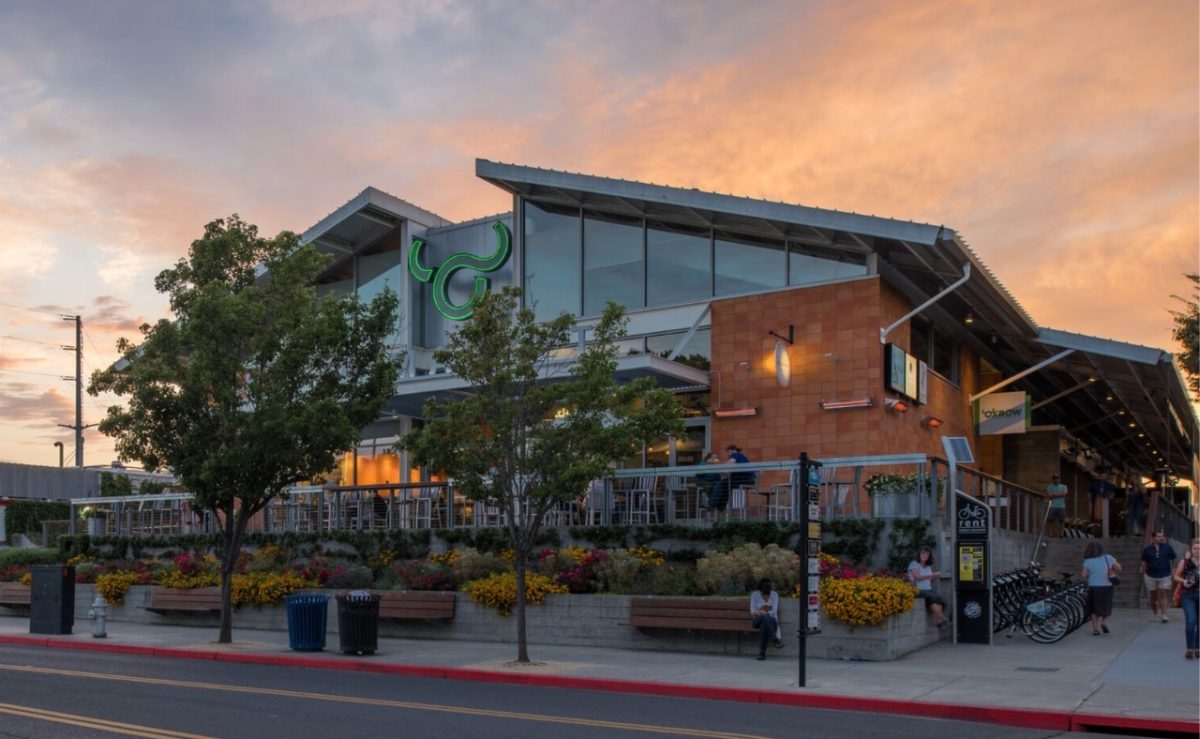
Planning your napa wine tour requires knowing where to find local flavors, as many estates focus primarily on viticulture rather than full-service kitchens. Visitors embarking on a napa wine tour tour often find the best culinary pairings in nearby towns, where farm-to-table menus highlight seasonal ingredients.
This renowned spot is perfect for grabbing artisanal sandwiches and French pastries before your napa wine tour tickets are validated for the day. It gets very busy by noon, so arrive early for your coffee and croissant.
A staple for elevated American classics, this venue features high-quality burgers and ahi poke tacos. It provides a relaxed environment to enjoy local produce between vineyard visits.
Known for its rotating four-course prix fixe menu, this establishment offers a sophisticated way to conclude your Napa Valley landmarks exploration. Reservations are essential to ensure you have a seat at this acclaimed culinary destination.
Real experiences from real travelers
Our napa wine tour exceeded expectations with three distinct wineries showcasing different varietals. The guide knew every detail about terroir and fermentation processes. We visited a century-old estate with underground caves that stayed naturally cool year-round. Tasting flights paired beautifully with local cheese selections.
Booked a Napa Valley wine tour that balanced education with enjoyment across four vineyards. Each estate offered unique architecture from Spanish mission style to modern glass pavilions. The driver navigated narrow hillside roads confidently while sharing regional history. Finished at a family-owned winery where the owner personally poured reserve bottles.
The wine country tour through Napa covered both established names and boutique producers in a single day. Our small group of eight allowed personalized attention at each tasting room. Mid-afternoon stop included a vineyard walk explaining pruning techniques and canopy management. Returned with six bottles and solid understanding of Cabernet Sauvignon production.
Solid napa wine tour for first-time visitors covering three wineries with varied styles. The Rutherford estate had sweeping views worth the stop alone. Lunch break felt slightly rushed between second and third tastings. Guide provided helpful context about AVA designations and vintage differences.
Spent seven hours on a comprehensive wine tour visiting five Napa properties from Carneros to Calistoga. Each venue offered distinct perspectives on winemaking from sustainable farming to gravity-flow cellars. The scheduler timed our arrivals to avoid crowds at popular estates. Lunch overlooking vineyards included estate-grown olive oil and produce.
Our guide tailored the napa wine tour to focus on Bordeaux-style blends based on our preferences. Visited two hillside vineyards where elevation differences affected grape ripening by two weeks. The cave tour revealed temperature and humidity control methods dating back decades. Enjoyed comparing library vintages against current releases.
The wine tasting route included everything from sparkling wine cellars to bold Zinfandel producers. Transportation between Napa estates was comfortable with chilled water and regional maps provided. One winery paired each pour with chocolate demonstrating how tannins interact with cacao. Left with appreciation for both traditional and experimental techniques.
Booked a Napa wine tour covering the Silverado Trail with stops at four family-run operations. Each tasting featured six pours explaining oak aging choices and malolactic fermentation. The afternoon visit to an organic biodynamic vineyard revealed surprising complexity in sustainable practices. Guide arranged private cellar access at the final estate.
Our small-group wine country experience balanced structured tastings with casual conversation at each Napa location. Morning fog burned off to reveal endless rows of vines climbing toward forested ridges. One proprietor walked us through their sorting process and explained why they hand-select every cluster. Lunch featured estate wine paired with seasonal ingredients from valley farms.
Everything you need to know for your journey
The opening hours are 10:00–17:00 daily.
Reservations are highly recommended for all napa wine tour experiences to guarantee availability.
Driving is the primary method to reach locations in Napa Valley, California, USA.
While some sites allow families, the tasting rooms are restricted to guests aged 21 and older.
Outside food is generally not permitted at most venues during a napa wine tour.
Wear comfortable, casual clothing and flat, supportive shoes for walking the grounds.
Parking is generally available at most venues, though you should confirm with your specific winery.
Arrive between 10:00–12:00 to avoid afternoon crowds.
Cancellations are managed by individual wineries, typically requiring 48 hours notice for a refund.
Local food vendors and artisanal shops located in downtown Napa.
Extensive trails and camping situated within a redwood forest.
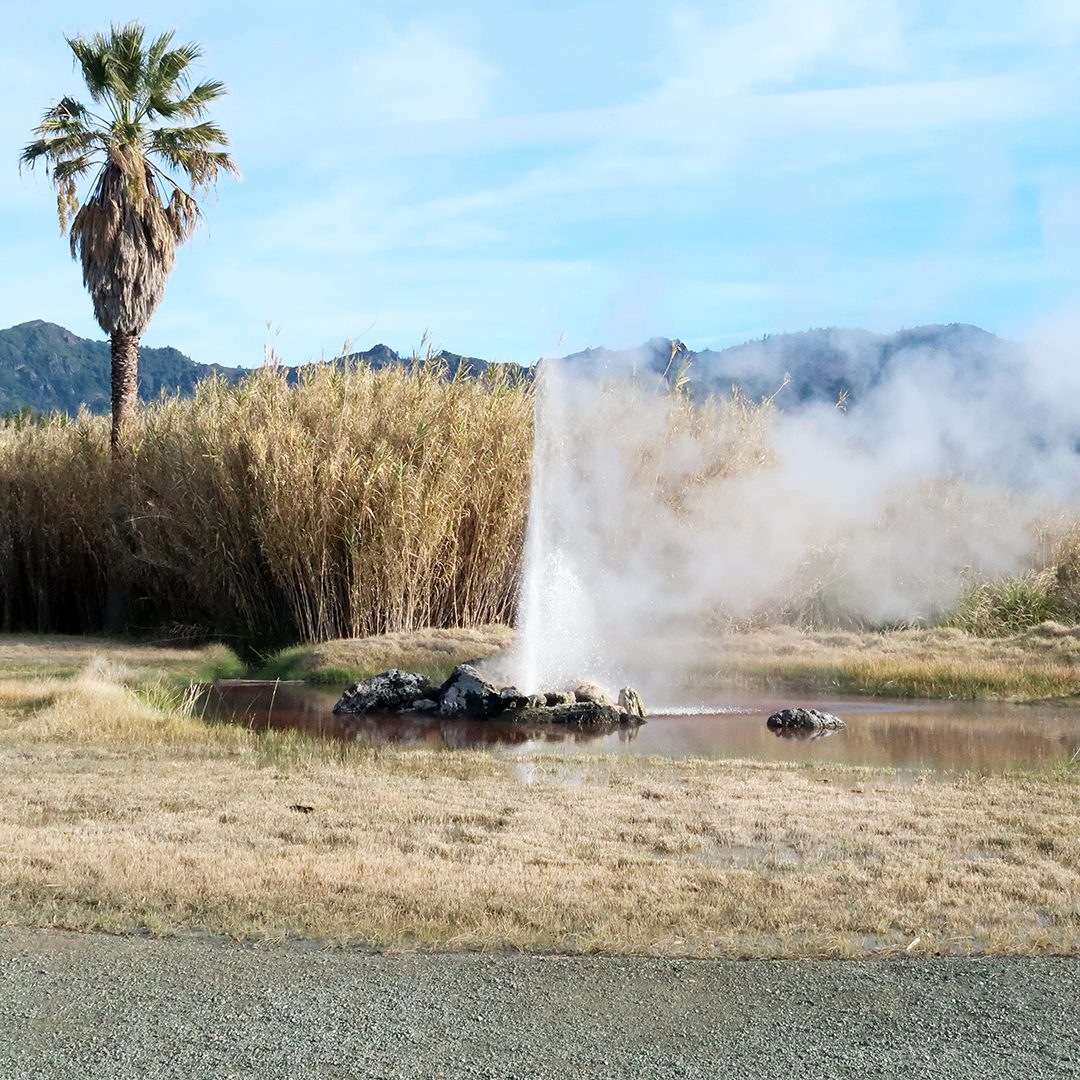
Natural geyser that erupts at regular intervals.
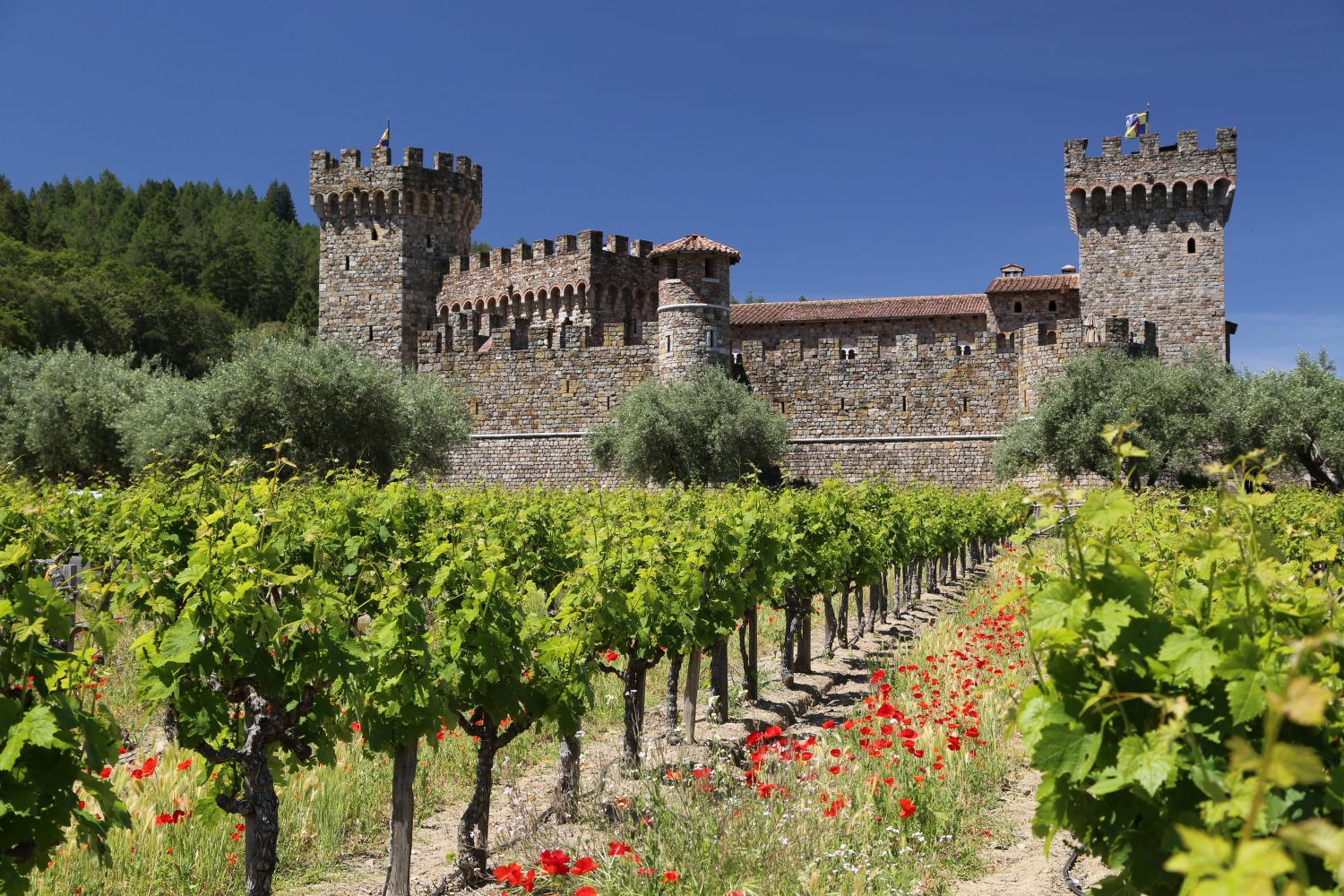
Authentic-style Italian castle winery experience.
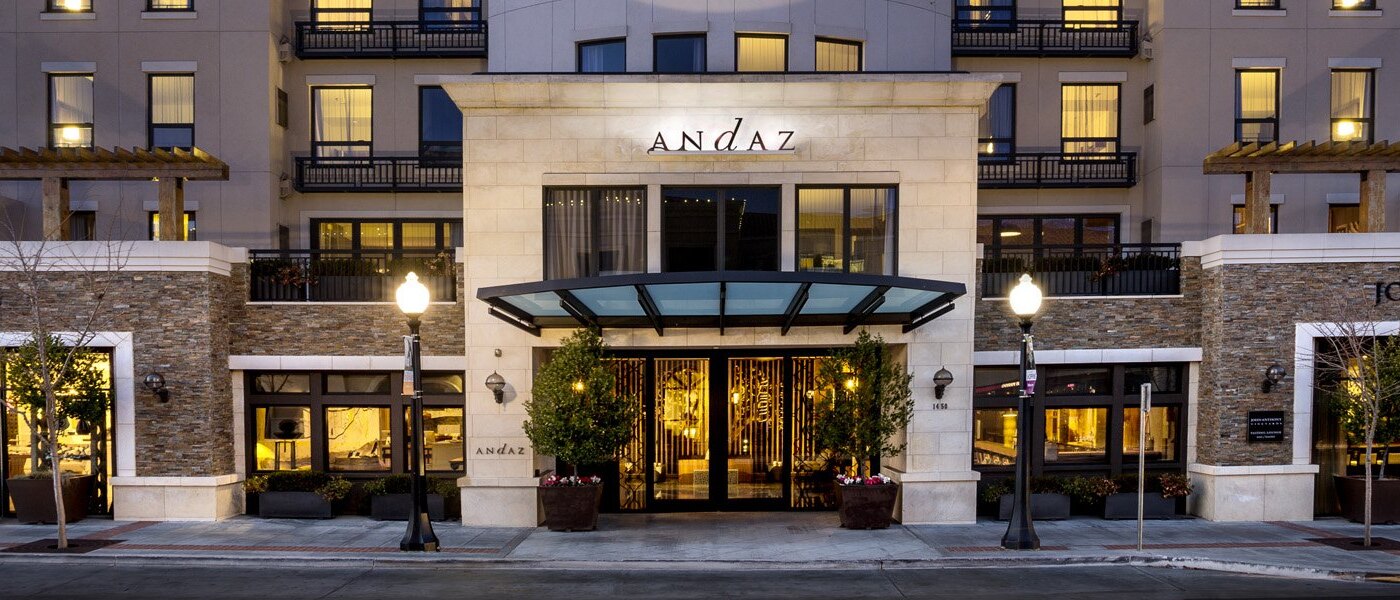
Modern hotel in the heart of downtown Napa.
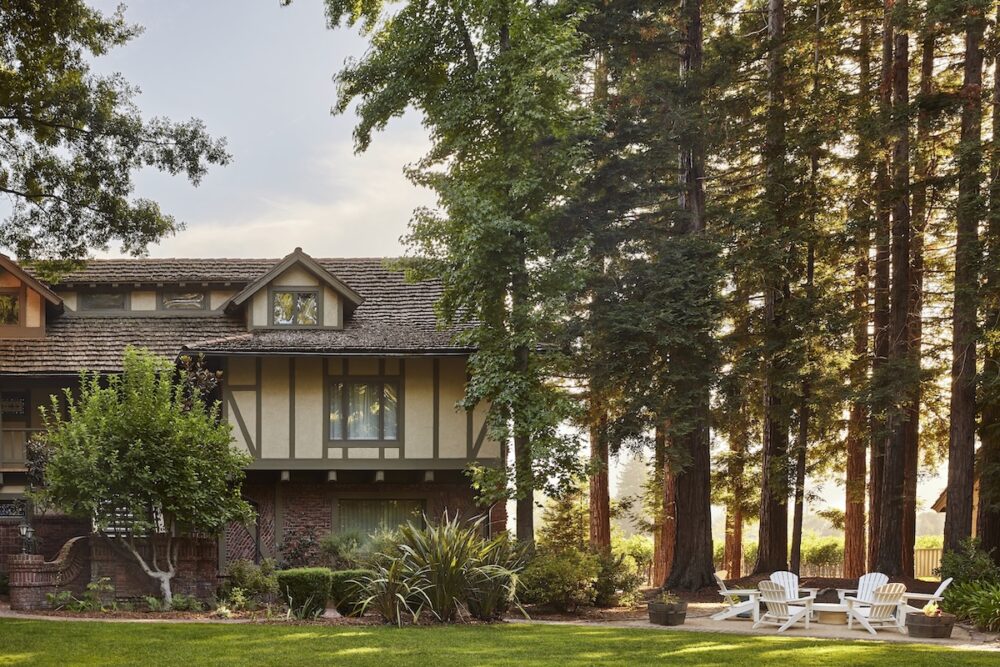
Features vineyard views and charming architecture.
Historic building along the riverfront.
Join thousands of happy travelers who have discovered this incredible experience
Book Your Experience Now