Quick answer
Napa wine tour guides operate daily from 9 AM to 5 PM with no standard entrance fee, as they provide private coordination services rather than gated-access tours. Most guides work by appointment and charge per group or per hour, with rates varying by certification level, vehicle type, and itinerary complexity. Booking early ensures better winery availability, especially during harvest season from late August through October.
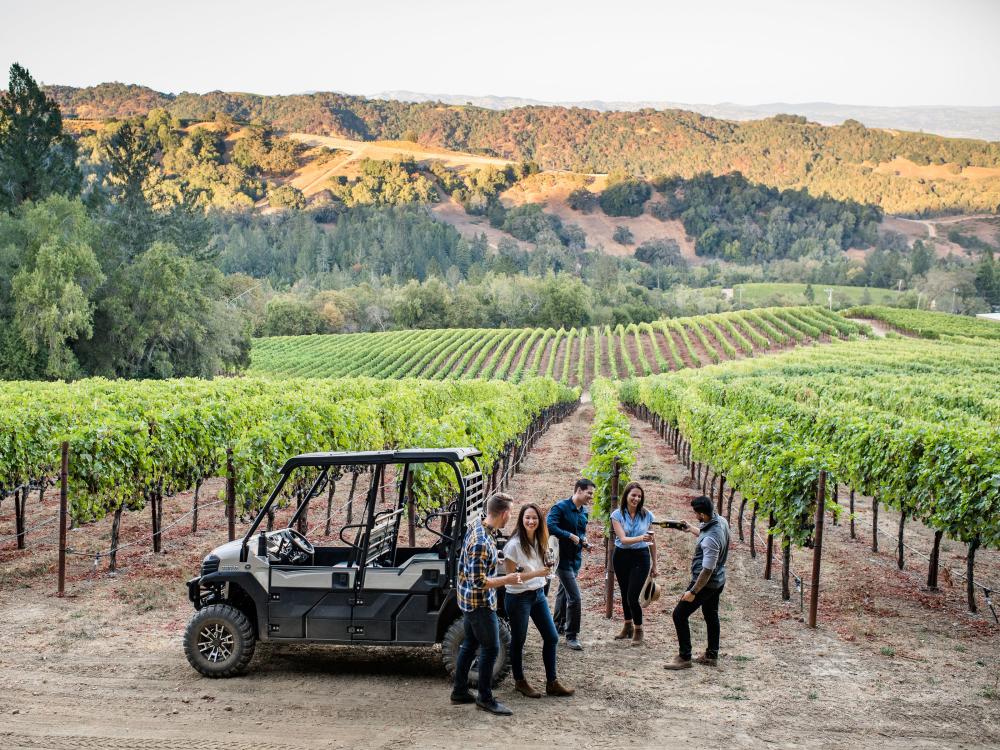
More than sixty percent of Napa Valley's premium wineries require advance reservations and do not accept walk-in visitors, a shift that accelerated after 2020 and made knowledgeable coordination essential. Guides bridge the gap between travelers and appointment-only estates, using established relationships to secure tastings that independent visitors often cannot book on short notice. Certified sommeliers, hospitality veterans, and regional specialists make up the valley's guide network. Some work independently, others through established tour operators. The distinction matters less than their access: guides with multi-year winery relationships can arrange private barrel tastings, cave tours, and winemaker introductions that public booking platforms do not list. Vehicle options range from luxury sedans and SUVs to passenger vans and even vintage cars, with group size and comfort preferences determining the best fit. Arriving between 9 AM and 10:30 AM positions your group ahead of midday traffic on Highway 29 and the Silverado Trail, the valley's two main corridors. Afternoon heat during summer months also makes early starts more comfortable, and wineries schedule their most attentive service windows before lunch rushes. Guides typically build itineraries around three to four wineries per day, allowing time for seated tastings, property walks, and travel between estates. Rushing five or six stops compresses the experience and increases fatigue. Guide services separate into full-day and half-day structures, with full-day tours running six to eight hours and covering diverse appellations like Rutherford, Oakville, and Stags Leap District. Half-day options work well for focused itineraries or visitors combining wine touring with other Napa activities. Most guides include transportation, appointment coordination, and regional commentary; tasting fees at individual wineries remain separate and are paid directly at each location. Clarifying what the guide fee covers and what costs are additional prevents surprise expenses during your tour.
“More than sixty percent of Napa Valley's premium wineries require advance reservations and do not accept walk-in visitors.”
Opening Hours for Napa Wine Tour Guides Services
Napa wine tour guide services operate on a consistent daily schedule to accommodate visitor logistics throughout the year.
| Monday | 09:00–17:00 | |
|---|---|---|
| Tuesday | 09:00–17:00 | |
| Wednesday | 09:00–17:00 | |
| Thursday | 09:00–17:00 | |
| Friday | 09:00–17:00 | |
| Saturday | 09:00–17:00 | |
| Sunday | 09:00–17:00 |
Standard Costs for Napa Wine Tour Guides
Napa wine tour guides operate as private services with independent pricing structures. These service fees are distinct from the individual tasting or entrance fees charged by specific wineries.
A typical adult pays 0 USD in base guide entrance fees, though total costs fluctuate based on the specific private service provider and selected winery tasting packages.
The Best Time to Utilize Napa Wine Tour Guides
The best arrival window for utilizing a guide is 09:00–10:30, as this early start avoids afternoon traffic and ensures better availability with wineries. Planning visits during shoulder seasons provides the most temperate conditions and manageable crowd levels.
Weekday mornings
Minimal—
Mid-week tours experience the lowest traffic volumes and provide more direct interaction with guides.
March to May
ModerateMild with temperatures 60°F to 75°F
Spring brings bud break and lush green vineyards, offering temperate weather for outdoor tastings.
August to October
HighWarm with temperatures 70°F to 85°F
This harvest season is active and visually dynamic, though requires advanced planning due to peak visitation.
November to February
LowCool with temperatures 45°F to 60°F
Winter provides quiet vineyard settings and more intimate access to tasting rooms during the slower period.
Verdict: For the most efficient experience, visit Tuesday to Thursday between 09:00–10:30 during the months of April or October.
Check availability
Frequently Asked Questions About Napa Wine Tour Guides
Everything you need to know about napa wine tour guides